Summer Session


Get Ahead This Summer!
From the start of June through the first week of August, we offer 5-week and 10-week courses, both online and in-person, with lower- and upper-division options exclusively available at four-year universities. Through our summer courses, students can:
- Learn at an accelerated pace
- Fulfill CORE Curriculum/General Education requirements or explore a new academic program
- Take advantage of the reduced tuition rate
Read on below for session schedules and course details.


When are classes?
Summer Term is divided into two sessions, with online and in-person classes offered in each:
- Session 1: June 1-July 2, 2026
- Session 2: July 6-Aug 7, 2026
Learn more about this year's course schedule and offerings below.

When is registration?
Summer Term registration begins on February 20, 2026, and ends:
- For Session 1, register by June 1st
- For Session 2, register by July 6th

❖ Open to High School Students
Dive into summer at Saint Mary’s College! Alongside other motivated peers and with the support of our esteemed faculty, high school students have a chance to explore their passions while experiencing the vibrant campus life at a top West Coast college.
Check out our 100-level courses below (❖) and see if there are any that fit your interests.
By enrolling in a college class over the summer, you’ll demonstrate your commitment, drive, and readiness to take on challenges, setting yourself apart to colleges and universities. Not only will you earn college credit and refine your skills, but you’ll also forge invaluable connections with peers and mentors that can propel you towards success.
The first 20 students to register will receive $100 off their course materials!
Schedule
3-credit courses (3-CU)
3 days per week: Mon, Tue, Thu
Time slot:
- 9:30 am-12:00 pm (includes Wed, alt dates)
- 12:30-3:00 pm
- 4:00-6:30 pm
- or 7:00-9:30 pm
4-credit courses (4-CU)
4 days per week: Mon, Tue, Wed, Thu
Time slot:
- 9:30-11:30 am (excludes Wed, spans Sessions 1 and 2)
- 9:30 am-12:00 pm
- or 12:30-3:00 pm

Session 1 Course Offerings
Schedule
1-credit course (1-CU)
3 days per week: Tue, Wed, Thu
Time slot: 12:30-3:00 pm
3-credit courses (3-CU)
3 days per week: Mon, Tue, Thu
Time slot:
- 9:30 am-12:00 pm
- 9:30 am-12:00 pm (includes Wed, alt dates)
- or 12:30-3:00 pm
4-credit courses (4-CU)
4 days per week: Mon, Tue, Wed, Thu
Time slot:
- 9:30-11:30 am (spans Sessions 1 and 2)
- 9:30 am-12:00 pm
- or 12:30-3:00 pm

Session 2 Course Offerings

Registration
Saint Mary’s College Students
Go to GaelXpress > Student Planning
Take advantage of new Gael Summer pricing:
- $650 per credit unit
- $1,950 per 3-credit course
- $2,600 per 4-credit course
- No deposit required for registration by May 1st
- SMC summer courses are financial-aid eligible
- Pell grants starting at 3 credits
- Loans starting at 6 credits
Contact Financial Aid for more details.
Non-Saint Mary's Students
Register through the form linked here.
For information regarding payment, please contact the Business Office.

ART-110: Printing for Protest
Session 2 ❯ (July 7-16, Two Weeks)
IN PERSON
TWTH 9:30 am-12:00 pm
1 credit (1-CU)
Instructor: Andrew Mount
Additional fee: $110
❖ Open to high school students
Block printing has been used to make both delicate, intricate prints and hastily made flyers for political demonstrations; the applications of Block Printing processes within the arenas of political dissent and the rarified world of fine art are equally valid if contrasting in intent. Artists, of course, may use any media they desire to make their work, while activists use what they can to quickly and succinctly communicate their point. Artist-activists have adopted this latter strategy in their work, bringing engagement with the social-political arena into the clean well light gallery space. What this history offers students of this class is an enormous array of possibilities in terms of their printing. Students taking this class will be able to infuse their work with the issues they feel concerned about and access the flexibility of this form directly.
COMM-102: Introduction to Media & Cultural Studies
Session 2 ❯
IN PERSON
MTWTH, 9:30 am-12:00 pm
4 credits (4-CU)
Instructor: Veronica Hefner
❖ Open to high school students
CP - Artistic Understanding (Creative Practice)
COMM-325: Media, Technologies, & Culture
Session 1 ❯
ONLINE
MTWTH, 9:30 am-12:00 pm
4 credits (4-CU)
Instructor: Sam Joyce

CORE-311: IPE, African American Art & Culture
Session 1 ❯
ONLINE
MTWTH, 12:30-3:00 pm
4 credits (4-CU)
Instructor: Jeannine King
Carrie Mae Weems. Bessie Smith. Spike Lee. Dance Theater of Harlem. Def Poetry Jam. Kendrick Lamar. This course will provide an introduction to African-American cultural expression in music, drama, art, dance and film. We will explore these genres with attention to historical context and modern references to the past. Some of the issues explored will include: art as an expression of freedom and social justice, authenticity and “selling out,” trauma, redemption, beauty and joy. The course will be fully remote and will explore the vast collection of African American digital archives.
JAN-300: Agroecology: The Art & Science of Flower Farming
Session 1 ❯
ONLINE
MTTH, 7:00-9:30 PM
3 credits (3-CU)
Instructor: Ann Drevno
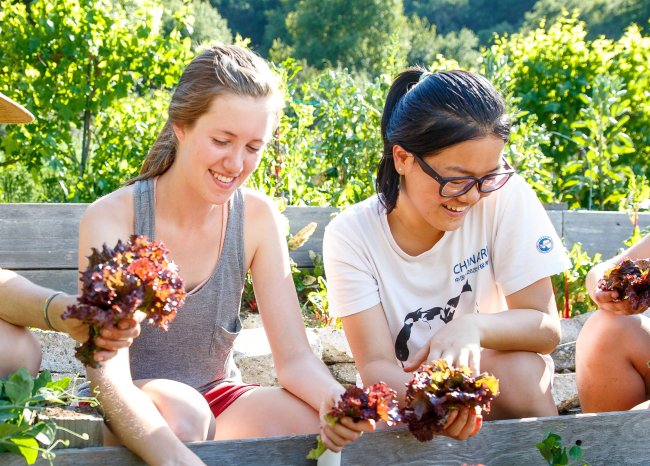
Agroecology combines the fascinating study of ecology with our food (and flower) system's agronomy – it is a science, a practice and a social movement. Within the agroecological movement there is an exciting sub-movement taking shape—sustainable flower farming on a small scale. This Jan Term course will open with basic agroecological principles and concepts while interweaving practical content specifically focused on how to grow, harvest and market beautiful cut flowers from small plots of land. In this course, students will grapple with debates agroecologists are now facing, as well as apply agroecological concepts by doing remote "labs" with seeds, seedlings, and flowers, selecting crops, crop rotations, assessing growing climates and changing climates, harvesting, post-harvest handling techniques and marketing tricks and tips for flowers. This comprehensive Jan Term in June course will be offered in a fully remote format, combining virtual instruction with hands-on, applied learning activities designed to complement and enrich online modalities.

KINES-100: Introduction to Kinesiology
Session 1 ❯ (June 8 start)
IN PERSON
MTWTH, 9:30 am-12:00 pm
3 credits (3-CU)
Instructors: Deane Lamont & Chi-An Emhoff
❖ Open to high school students
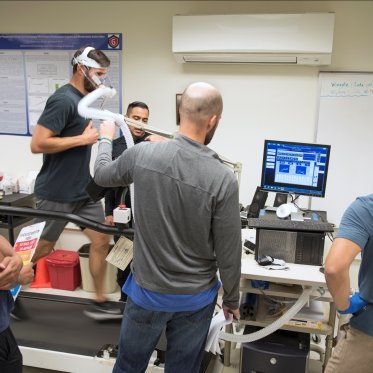
This course introduces students to the academic discipline and profession of Kinesiology. It examines the historical events, philosophical positions, sociological theories, and contemporary science that concern the human being in motion. Particular attention is devoted to the cultural place and developmental potential of the corporeal actions known as play, game, sport, athletics, and exercise. American health behaviors (especially physical activity and food decisions) and how they relate to major U.S. public health issues are examined. The fundamentals of the major’s three tracks-sport and recreation management, health promotion, and exercise science-are introduced and explored. Students will be familiarized with Kinesiology’s main subdisciplines, their major research themes, and current career opportunities in the profession and the allied medical field.
KINES-341: Global Impact of Physical Inactivity
Session 2 ❯ (July 30 end)
IN PERSON
MTTH, 12:30-3:00 pm
3 credits (3-CU)
Instructor: Chi-An Emhoff
GIP - Global Issues and Perspectives
KINES-361: Nutrition for Sport & Activity
Session 1 ❯
ONLINE
MTWTH, 9:30 am-12:00 pm
4 credits (4-CU)
Instructor: Derek Marks
Integrates the scientific foundations of nutrition and exercise. Focus is on the application of nutrition principles in order to achieve optimal health and performance. Special topics include optimizing wellness, physical fitness and performance through diet, the use of ergogenic aids, weight loss and gain techniques, eating disorders and sport-specific nutrition planning.
MKT-315: Integrated Marketing Communication
Session 2 ❯
ONLINE
MTWTH, 12:30-3:00 pm
4 credits (4-CU)
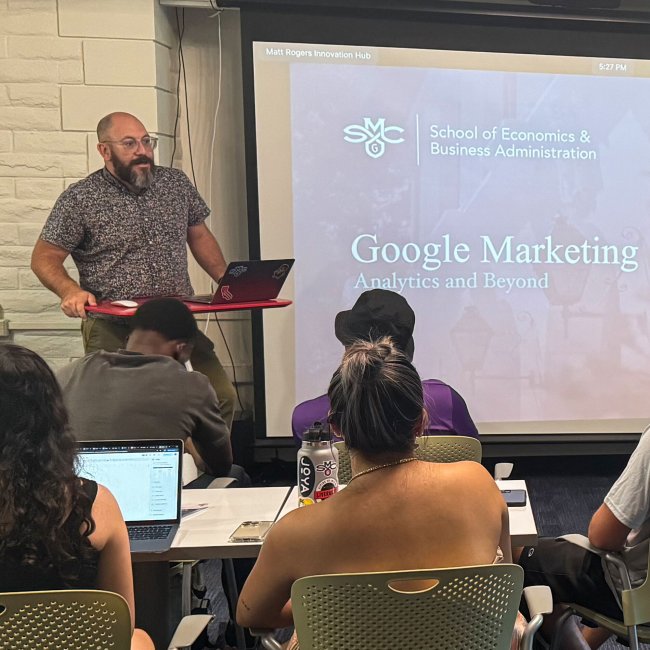
A focus on the nature and integration of the major elements comprising the organization’s promotion strategy that are designed to communicate effectively with target markets and achieve marketing objectives. These components include message creation, advertising (involving both traditional and digital media), publicity, sales promotion and personal selling. The development of promotional campaigns.
MUSIC-315: Music of Mexico
Session 1 ❯
ONLINE
MTTH, 12:30-3:00 pm
3 credits (3-CU)
Instructor: Sixto Montesinos
ArtA - Arts Analysis
GIP - Global Issues and Perspectives

PSYCH-331: Cross-Cultural Psychology + EL
Session 2 ❯
ONLINE
MTWTH, 9:30 am-12:00 pm
4 credits (4-CU)
Instructor: Daewon Kim
IPE - Identity, Power, and Equity in the United States
EL - Engaged Learning

SEM-327: Looking Inward & Outward for Transfer Students
Session 1 ❯
IN PERSON
MTWTH, 12:30-3:00 PM
4 credits (4-CU)
Instructor: Charles Hilken
Transfers only
This course is a combined version of Looking Inward and Looking Outward that is 4 units to support transfer student transition to Saint Mary’s College. This first seminar for transfer students develops the skills of critical thinking, critical reading and writing, and shared inquiry that are foundational to Collegiate Seminar. Students learn strategies for engaging with a diversity of texts, asking meaningful questions, and effectively participating in collaborative discussions. Reading and writing assignments are specifically designed to support students’ gradual development of these strategies and skills. This seminar considers questions such as: What is a person? What is my place in the world? What makes a good society?

SEM-350: Looking Forward
| Session 1 ❯ ONLINE MTTH 4:00 pm-6:30 pm 3 credits (3-CU) Instructor: Robert Bulman By instructor permission only | Session 2 ❯ IN PERSON MTTH, 12:30-3:00 pm 3 credits (3-CU) Instructor: Hossein Khosrowjah |
Looking Forward focuses on issues of significant relevance for a 21st century student, as well as texts that allow for integrative thinking across the entire Collegiate Seminar sequence. This course includes student reflection on what they have learned and how they have grown, revisiting the steps of their intellectual development in a capstone experience. This seminar considers questions such as: How do we move forward? What does the future hold?
SEM-374: Multicultural Thought
Session 2 ❯
IN PERSON
MTWTH, 12:30-3:00 PM
4 credits (4-CU)
Instructor: Frances Sweeney
Transfers only
IPE - Identity, Power, and Equity in the United States
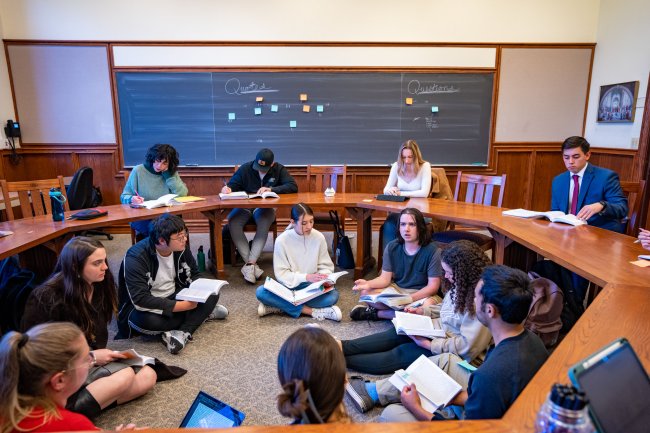
This course focuses on selected readings from 20th- and 21st-century multicultural authors. Readings continue the dialogue with authors from previous seminars, give renewed attention to questions raised in those contexts, and address contemporary issues as well. Reading lists vary according to the particular thematic or regional focus of the course.
TRS-371: Gender & Religion in American Culture
Session 1 ❯
ONLINE
MTTH, 12:30-3:00 pm
3 credits (3-CU)
Instructor: Marie Pagliarini
TE - Theological Explorations
This course focuses on the relationship between gender and religion in North American history and culture. We will explore gender as a category of analysis for the study of religion and the ways that religions construct and deconstruct gender norms. Religion is lived and practiced, and therefore it cannot be separated from the gendered bodies that people inhabit. We will use historical and contemporary case studies to examine the way that notions of femininity and masculinity have played a role in the religious lives of Americans.
TRS-380: Great Themes
Session 1-2
IN PERSON
MTTH, 9:30 AM-11:30 AM
4 credits (4-CU)
Transfers only
TE - Theological Explorations
Contact us
For questions about this website, please contact Connor McCaslin.
For questions regarding advising, contact the advising office.
For questions regarding housing, contact Housing.