
Taipei, Hsinchu, Taichung, Tainan, Kaohsiung, Taoyuan, & Taitung
JAN 408 (3-CU)
Democracy through Technological Taiwan: How Technology Shapes Community, Culture, and Human Rights in East Asia
Travel dates: Tuesday, Jan. 5 - Wednesday, Jan. 27, 2027
Instructor: Jeff Sheng, jts24@stmarys-ca.edu
Course fee: $4,100
Prerequisites: Attend at least 1 information session & receive instructor permission
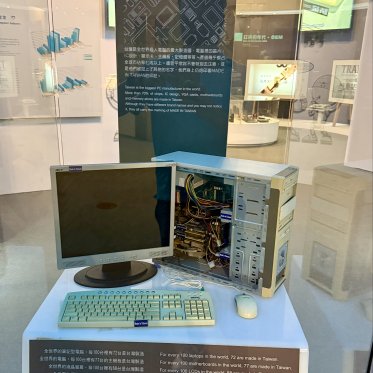
Called Asia’s best kept secret, Taiwan is often overlooked relative to other places like Japan, Korea, India, China, and Thailand. Yet Taiwan has a population almost that of Australia, is the world’s 22nd largest economy, and the driver of the AI boom, providing 96% of all the advanced semi-conductor chips needed to power our smart phones, computers, and AI data centers.
And while Taiwan has been described as one of the “world’s strongest democracies” and “safest places in the world to visit” for travelers, it has also been called “the next Ukraine” or “the most dangerous place in the world” due to the self-governing island being at the center of geo-political conflict between the US and China. Despite these threats, Taiwan is a worldwide leader in public safety, gender equality, universal healthcare, environmental protections, and technological progress. It continues to be at the forefront of human rights with a democratic voter participation rate of almost 80%, and was the first country in Asia to legalize same-sex marriage.
How then are technology, politics, and democracy so interlinked and important for one another in the case of Taiwan?
To better understand this, in this 3-week Jan Term travel course, students will live and experience Taiwan examining the ways technology as informational exchange and progress happens through:
1. Technology as Tools
2. Technology as Infrastructure and Community
3. Technology as Culture and Identity
4. Technology as Democracy and Human Rights
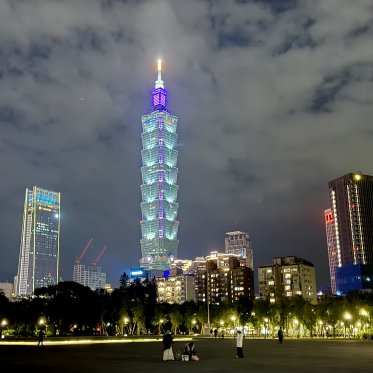
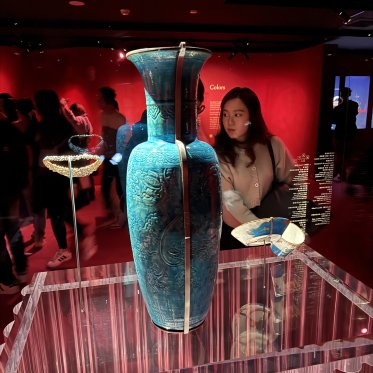
Highlights of the trip include visiting Taipei 101, the tallest building in the world from 2005-2009; the National Palace museum which holds 8000 years of Chinese culture and was originally in Beijing’s Forbidden Palace; Hsinchu - the Silicon Valley of Taiwan and the headquarters of major semiconductor manufacturers; and Tainan, the prefectural and cultural capital of the island for over 250 years.
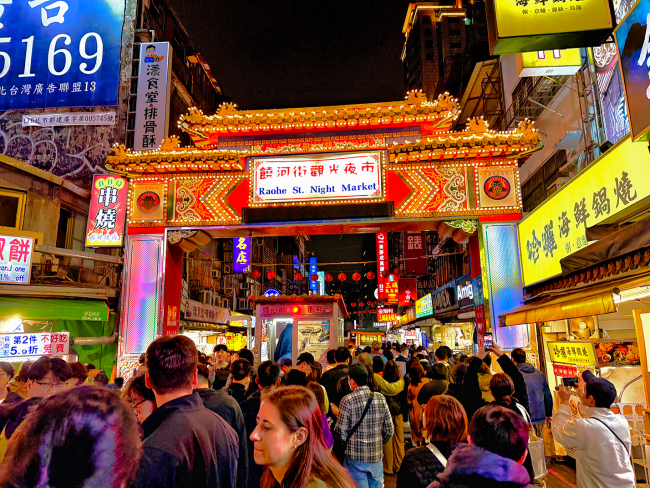
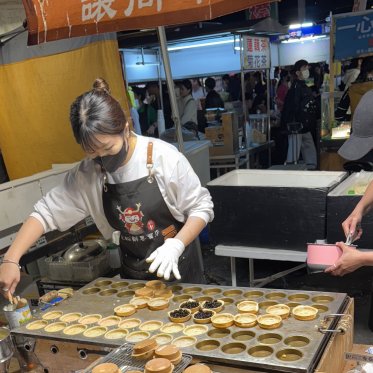
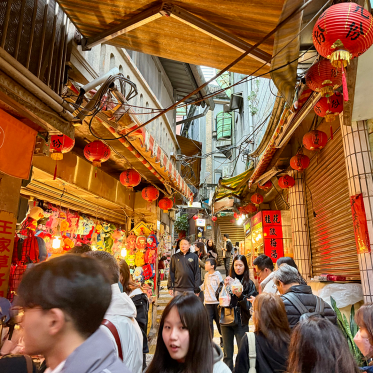
We will explore the urban infrastructure of its major cities, restaurants, night markets, religious centers, entertainment and cultural venues. We will also spend time with local non-profit leaders of NGOs dedicated to human rights and political freedoms. Given its relative safety, students will be encouraged to spend time exploring neighborhoods in structured free time and local site visits, while connecting readings and group discussions with the course themes.
By the end of the course, students will be able to:
- Define technology in information science and social science contexts.
- Understand how the iteration of knowledge is a key component for the manufacturing of toys, equipment, and electronics, such as semi-conductors and computers, by visiting in person the place that produces most of this kind of advanced tech for the world.
- Identify how technology can create a sustainable future for its citizens in infrastructure and community, such as in renewable energy, safety, efficient and low-cost public transit, natural disaster preparedness, universal education, health care, and pensions.
- Interpret technology as something that creates culture and identity, from learning about the history of Taiwanese food, entertainment, and even what it means to be “Taiwanese” as the consequences of knowledge arising from war and colonialism.
- Show a deep understanding and introspection about how technology is integral to the creation and maintenance of Democratic governments and institutions, and how this shapes the politics of East Asia and the World in general.
Week 1
- Tuesday, Jan. 5: Depart from SFO
- Thursday, Jan. 7: Arrive at TPE (Taipei)
- Friday, Jan. 8: Hsinchu
Activities: Hsinchu Science Park – Science Park Exploration Museum; TSMC Headquarters and Museum of Innovation; Company site visit TBD. - Saturday, Jan. 9: New Taipei City
Activities: Taishan Doll Industry Museum; Xinyi and Da’an Neighborhoods.
Week 2
- Sunday, Jan. 10: Taichung
Activity: 921 Earthquake Museum. - Monday, Jan. 11: Taichung
Discussion: Technology as Tools.
Activity: Cycling Culture Museum. - Tuesday, Jan. 12: Tainan
Activities: Anping Fort; Fort Zeelandia; Hayashi Department Store; National Museum of Taiwan History; Nightmarket in Tainan. - Wednesday, Jan. 13: Kaohsiung
Activity: National Science and Technology Museum.
Discussion: Technology as Tools. - Thursday, Jan. 14: Kaohsiung
Activities: Taiwan Pineapple Museum; National Stadium and Solar Panels; Kaohsiung and the Arts District (where we are staying). - Jan. 15-17: Taipei & Taoyuan
Activities: Taipei 101; Elephant Mountain – View of Taipei City from Above; Taipei High Speed Rail Museum, Taoyuan; Taipei Metro System and the Kaohsiung Metro System; National Taiwan University and NTU Hospital; National Palace Museum
Week 3 & 4
- Monday, Jan. 18: Taipei
Activities: National Taiwan University and NTU Hospital. - Tuesday, Jan. 19: Taipei & Taitung
Activities: National Human Rights Museum in New Taipei. - Jan. 20-21: Taitung & Green Island
Activities: Green Island Visit to the Green Island White Terror Memorial Park; Aboriginal Cultural Visit. - Jan. 22-26: Taipei
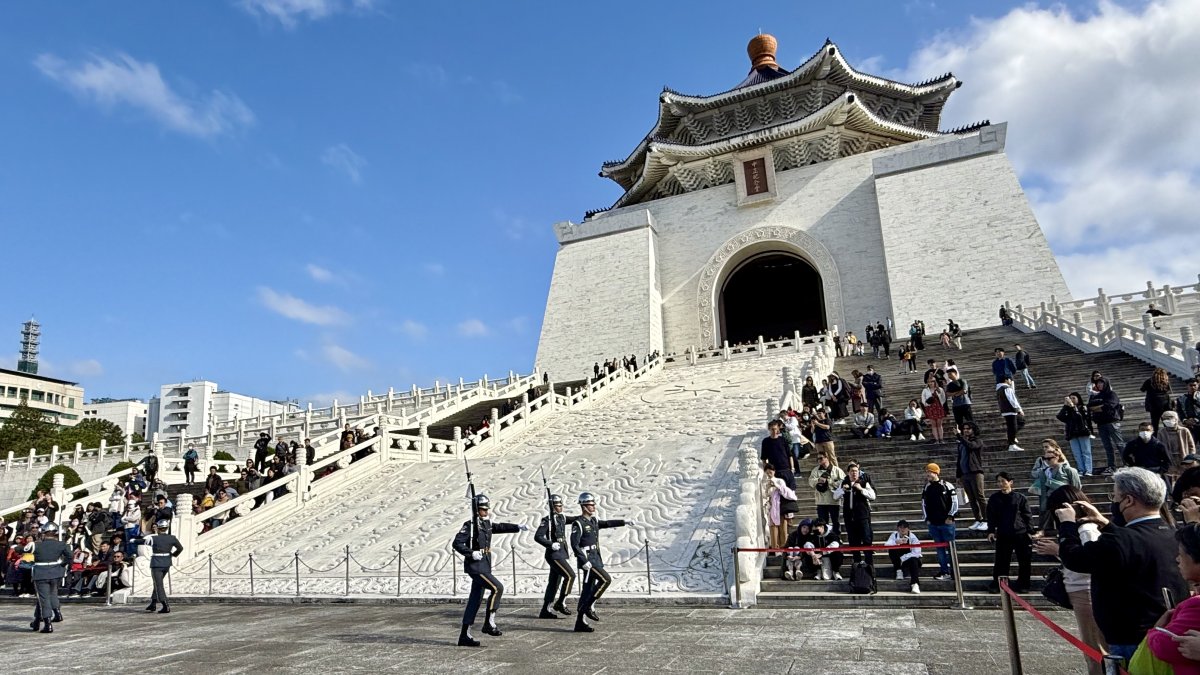
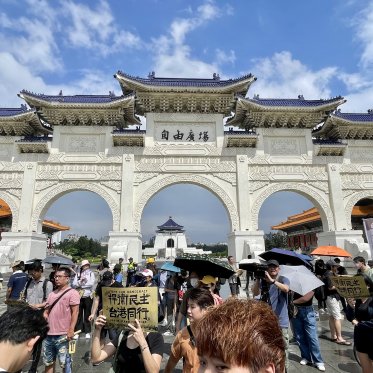
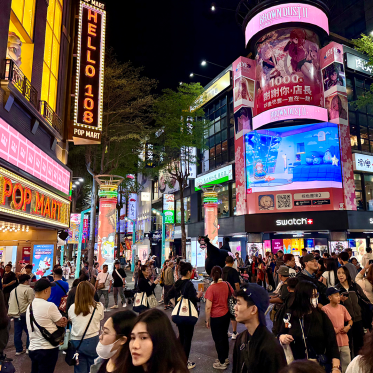
Activities: 228 Peace Park; Sun Yat-sen Memorial Hall; CKS Memorial Hall; Presidential Palace and Office Tour; Tamsui Fisherman’s Wharf (one of a few possible China war invasion points); Ximending / Red House / Rainbow Six (landmark celebrating same-sex marriage); AMA museum (comfort women under Japanese rule), Taipei/Datong; Dinner with Michelle Kuo; Visit to headquarters of New Bloom and discussion about Taiwan’s social movements with Brian Hioe; DoubleThink Lab visit and conversation with activist Aimen Lau; Taiwan Women’s Center (possible space to have Discussion 4 on Democracy and Human Rights). - Wednesday, Jan. 27: Depart from TPE (Taipei), Arrive at SFO
Course Fee: $4,100
Learn about the Jan Term Travel Scholarship for additional funding.
This fee includes:
Airfare, Local Transportation, Lodging, Meals, Excursions (e.g., museums, tours, etc.), Gratuity, Travel Insurance ($35/student - international classes only), Miscellaneous
Estimated cost outside of course fee:
$0
General Travel Requirements
- Attend at least 1 Health & Safety Orientation (October)
- Submit a valid passport (November)
- Apply or renew no later than September for on-time delivery
- Submit completed & signed health forms + proof of vaccination(s) (November)
Note: Failure to complete one or more of the above requirements will result in an immediate drop from the course. Once registered, all course fees are non-refundable.
Course Photos
Questions? Contact us
Jan Term Email: janterm@stmarys-ca.edu
Jan Term Director: Claire Williams
Email: cmw9@stmarys-ca.edu
Jan Term Office: South Arcade/Korth Tower Breezeway